
Moving Beyond Quick Energy Fixes
Many of us miss out on Balanced Eating. The workday starts with a large coffee, another one follows mid-morning, and by 3 PM, the familiar wave of fatigue hits. It’s a common pattern in American work culture to reach for another cup of caffeine or a sugary snack just to push through the afternoon. While these choices offer a temporary lift, they almost always lead to a crash, leaving you more tired than before.
This frustrating cycle of spikes and slumps makes sustained focus feel impossible. But what if you could fuel your body differently? The answer isn’t found in quick fixes but in the foundation of your daily nutrition. Understanding Balanced Eating means shifting from fleeting boosts to a steady, reliable source of vitality. This guide offers a simple framework to build a nutrition plan that delivers consistent energy throughout your entire day.
“Stop relying on quick fixes for fatigue. Learn how to structure a Balanced Eating with the right nutrients, and stay hydrated for consistent vitality day long.“
Table of Contents
Balancing Your Macronutrients for Fuel

So, what are macronutrients? Think of them as the three main fuel types your body uses: carbohydrates, proteins, and fats. Each one plays a distinct role in keeping your energy levels stable. Carbohydrates are your body’s preferred and most immediate energy source. Protein is essential for building and repairing tissues, but it also helps you feel full and satisfied, which prevents the energy dips that come from constant snacking. Healthy fats provide a dense, long-lasting source of fuel, perfect for enduring energy.
The key is not just eating these macronutrients, but Balanced Eating. A helpful visual is the Healthy Eating Plate, a model developed by nutrition experts at Harvard T.H. Chan School of Public Health. It recommends filling half your plate with colorful vegetables and fruits, a quarter with whole grains, and the final quarter with a source of lean protein. This simple visual makes building a balanced Eating intuitive.
Quality matters just as much as proportion. Choose complex carbohydrates like oats, quinoa, and sweet potatoes, which release energy slowly. These are far better than simple carbs like white bread and sugar that cause a rapid spike and crash. Similarly, focus on unsaturated fats from sources like avocado, nuts, and olive oil. For protein, options are plentiful, and you can find inspiration in approaches like our guide to a low-carb, high-protein vegetarian diet.
Micronutrients: The Spark Plugs for Your Energy
If macronutrients are the fuel for your body, think of micronutrients as the spark plugs. They are the vitamins and minerals that help convert the food you eat into usable energy. Without them, your body’s energy production process simply cannot run efficiently. While there are many important micronutrients, a few are particularly critical for maintaining vitality.
Focusing on a diet rich in these will make a noticeable difference:
- B Vitamins: This group of vitamins is essential for the metabolic processes that turn carbohydrates, fats, and proteins into energy. You can find them in leafy greens, eggs, and legumes.
- Iron: Iron is a core component of hemoglobin, which transports oxygen to your muscles and brain. Low iron levels can directly cause feelings of fatigue and weakness. Spinach, lentils, and lean red meat are excellent sources.
- Magnesium: This mineral participates in hundreds of biochemical reactions in your body, including energy creation. Almonds, avocados, and even a small amount of dark chocolate can help you meet your daily needs.
While supplements have their place, the most effective way to get these vital nutrients is through Balanced Eating of a varied diet and whole foods. A plate full of different colors is usually a good sign that you are getting a wide range of micronutrients.
Smart Meal Prep for a High-Energy Week
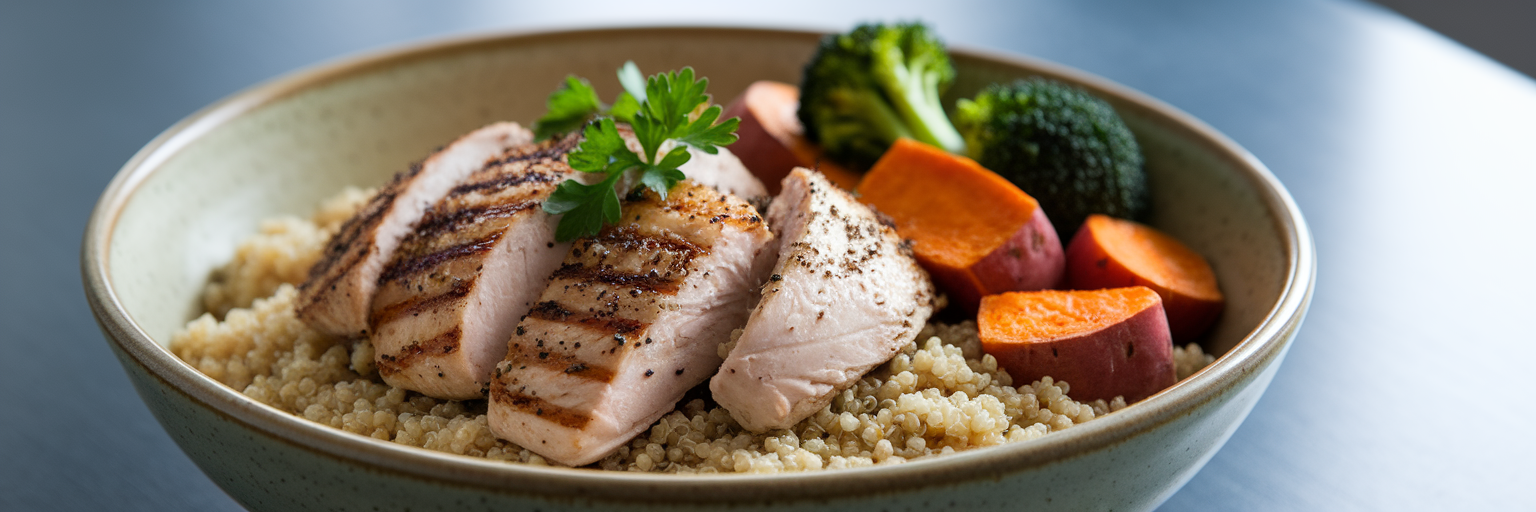
We’ve all been there. It’s the end of a long workday, you’re tired, and the thought of cooking a healthy meal feels overwhelming. This is when we often turn to takeout or processed foods. A smart meal prep for a busy week is your best defense against this decision fatigue. It ensures a healthy, balanced option is always the easiest choice.
Instead of cooking entire meals for the week, which can feel rigid, try “component prepping.” This flexible approach involves preparing individual ingredients that you can mix and match later.
- Batch-Cook a Protein: Spend an hour on Sunday grilling several chicken breasts, baking a block of tofu, or hard-boiling a dozen eggs. Store them in the fridge for easy access.
- Prepare a Whole Grain: Cook a large pot of quinoa, brown rice, or farro. This becomes the base for numerous meals throughout the week.
- Roast or Chop Vegetables: Roast a large tray of broccoli, bell peppers, and sweet potatoes. You can also wash and chop raw veggies like cucumbers and carrots for quick salads or snacks.
With these components ready, assembling balanced Eating ideas like grain bowls, salads, and wraps takes only minutes. This strategy not only saves time but also promotes better portion control, a key element for anyone looking to support effective weight loss and maintain steady energy.
What a Balanced Meal Looks Like
Putting all this information into practice is simpler than it sounds. The goal is to combine a complex carbohydrate, a lean protein, and a healthy fat at every meal. This combination ensures you get a quick energy lift from the carbs, lasting fullness from the protein, and sustained fuel from the fat. Here are a few examples of what this looks like on a plate.
A post-workout lunch could be a Power Bowl with a base of quinoa (complex carb), topped with a piece of baked salmon (protein and healthy fat) and roasted asparagus (fiber and micronutrients). For a lighter option, a Hearty Energy Salad with a bed of spinach, chickpeas (protein and carb), sliced avocado (healthy fat), and colorful bell peppers works perfectly. Even breakfast can be balanced: try Greek yogurt (protein) topped with fresh berries (carb) and a sprinkle of almonds (fat).
| Meal | Complex Carbohydrate Source | Lean Protein Source | Healthy Fat Source |
|---|---|---|---|
| Breakfast | Rolled Oats | Greek Yogurt or Eggs | Chia Seeds or Almonds |
| Lunch | Quinoa or Brown Rice | Grilled Chicken or Chickpeas | Avocado or Olive Oil Dressing |
| Dinner | Sweet Potato | Baked Salmon or Tofu | Walnuts or Flaxseed Oil |
Note: These are examples to illustrate the principle of combining macronutrients. Portions should be adjusted based on individual energy needs and activity levels.
Why Hydration is a Non-Negotiable for Energy
You can have the most perfectly balanced diet, but if you are dehydrated, you will still feel tired. The importance of hydration for energy cannot be overstated. Even mild dehydration can cause significant fatigue, difficulty concentrating, and headaches. Your body needs water for virtually every function, including producing energy at a cellular level.
Staying hydrated does not have to be complicated. The simplest strategy is to carry a reusable water bottle with you throughout the day, making it a visible reminder to drink. You can also set hourly alerts on your phone or watch. Don’t forget that you can eat your water too. Foods like cucumber, watermelon, and oranges have high water content.
Be mindful of your beverage choices. Water and herbal teas are your best options. Sugary sodas, juices, and energy drinks will send you right back on the spike-and-crash cycle we talked about earlier, undermining all your healthy eating efforts.
Your First Steps Toward Lasting Vitality
Building a nutrition plan for sustainable energy is a journey, not an overnight fix. The key is to focus on four pillars: balancing your macronutrients, getting enough micronutrients, planning your meals, and staying hydrated. It might seem like a lot, but you do not have to change everything at once.
Start with one small, manageable step. This week, you could focus on building just one balanced meal a day. Or, you could try prepping one whole grain to use for lunches. Consistency with these small habits is what builds momentum and leads to lasting vitality. For more science-backed guidance on your wellness journey, we invite you to explore the resources on our platform.